Personalized Vision Therapy in Parker, CO: Building Stronger Visual Skills for Everyday Life
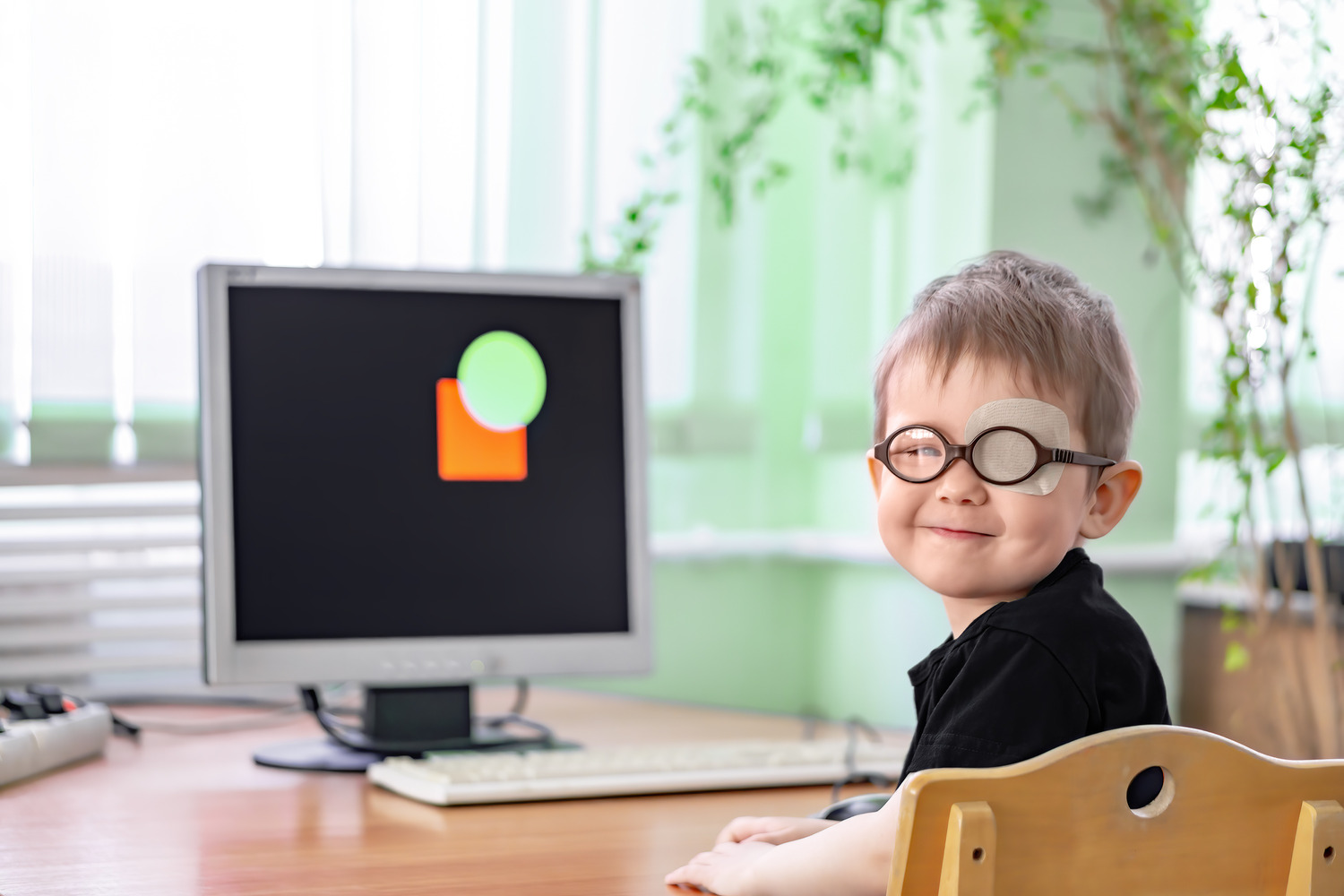
If your child fights through homework every night, loses their place while reading, or complains of headaches after a full day of screens, the root cause may not be nearsightedness at all. It may be how the eyes and brain are working together. At Good iSight in Parker, CO, Dr. Kalynn Good builds an individualized vision therapy plan around each patient’s specific visual skills and daily demands, so kids and adults alike can read, learn, work, and play without straining to keep up.
Vision problems that show up as headaches, fatigue, or slipping grades often pass a standard eye chart screening with no issue, because a chart only measures clarity, not how efficiently the eyes team up, track across a page, or shift focus from near to far. That gap is exactly where a customized vision therapy program does its work.
This Article Will Address
- What vision therapy actually involves
- How a treatment plan gets built around your specific needs
- The visual skills therapy can strengthen
- How vision therapy differs from wearing glasses or contacts
- Who tends to benefit most from a customized plan
What Is Vision Therapy?
Vision therapy is a doctor-supervised program of in-office sessions and guided at-home exercises designed to retrain how your eyes move, focus, and work together, rather than simply sharpening blur the way a new prescription would.
Dr. Kalynn Good oversees every plan personally at Good iSight, drawing on her residency training in vision therapy and neuro-optometric rehabilitation.
Rather than treating the eyes as a single lens to correct, therapy treats vision as a learned skill, much like balance or coordination. Sessions typically include:
- Guided exercises using specialized instruments, filters, and touchscreen or virtual reality tools
- Repetition designed to build new visual habits over the course of weeks or months
- At-home practice between visits to reinforce office-based gains
For patients recovering from a concussion, stroke, or other brain injury, this same approach extends into neuro-optometric rehabilitation, which retrains visual processing that an injury has disrupted.
This distinction matters most for school-age kids, since a child can pass a routine vision screening at school and still struggle with reading, homework, or focus, simply because the screening only checks clarity at a distance. Therapy addresses the near-vision demands of a classroom, things like tracking smoothly across a page, holding focus long enough to finish an assignment, and coordinating both eyes so words do not blur or double after a few minutes.
How We Customize Your Vision Therapy Plan
Every plan at Good iSight starts with a comprehensive evaluation rather than a standard protocol, because two patients with similar symptoms often need very different exercises. Dr. Good begins by testing how your eyes team, track, and focus under real-world conditions, then builds a program around what she finds instead of a one-size-fits-all script.
That evaluation typically shapes decisions such as:
- Which visual skills need the most attention first
- How often in-office sessions and home exercises should happen
- Which tools, from prism lenses to virtual reality equipment, will help fastest
- How progress will be measured and the plan adjusted along the way
Because the services offered at the practice span pediatric care, neuro-optometric rehabilitation, and general optometry, Dr. Good can also fold in related needs, like managing double vision or diabetic eye changes, into your plan without sending you elsewhere.
Throughout treatment, Dr. Good takes time to walk patients and parents through what each exercise is training and why, since understanding the goal behind a session tends to make the at-home practice stick. Progress checks are built into the plan from the start, so exercises can be adjusted up, down, or in a new direction as your visual skills improve.
What Visual Skills Can Vision Therapy Improve?
Vision therapy targets specific, trainable visual skills rather than a single measurement like 20/20 clarity. Depending on what your evaluation uncovers, a program may work on:
- Eye teaming, so both eyes point at and focus on the same target together
- Eye tracking, the smooth, accurate movement needed to follow a line of text or a moving ball
- Eye focusing delays, including how quickly the eyes shift focus between near and far
- Visual processing, or how efficiently the brain interprets what the eyes take in
- Depth perception and spatial awareness
Strengthening these skills often shows up first in everyday moments: a child reading a full paragraph without losing their place, or an adult working through a spreadsheet without a headache by mid-afternoon.
Vision Therapy vs. Glasses and Contacts: What Is the Difference?
Glasses and contact lenses correct refractive error, meaning they sharpen a blurry image by bending light differently before it reaches the retina. Vision therapy does not replace that function. Instead, it trains how the eyes move, aim, and work as a team, which a lens alone cannot fix.
Many patients need both. Glasses or contacts provide clear focus, while therapy improves the coordination and endurance behind that focus, so the two approaches work side by side rather than in competition. A patient dealing with double vision, for example, may still need a corrective lens for blur while working through a therapy program to resolve how the eyes align with each other.
It also helps to think of the difference in terms of what each option can and cannot do. A stronger prescription can make a blurry letter sharp, but it cannot teach two eyes to point at that letter together or hold focus on it for the length of a homework assignment. That is the gap therapy is built to close, and it is why a new pair of glasses alone sometimes fails to resolve headaches, fatigue, or reading struggles.
Who Benefits From a Vision Therapy Plan Built Around You?
Vision therapy tends to help anyone whose symptoms point to a functional visual skill gap rather than simple blur, which spans a wider range of patients than most people expect. Good candidates often include:
- Children who struggle with reading, homework, or classroom attention despite passing a school vision screening
- Adults with headaches, eye strain, or fatigue tied to computer work or other close-up tasks
- Patients recovering from a concussion, stroke, or other brain injury affecting vision
- Athletes looking to sharpen the visual skills behind hand-eye coordination and reaction time
- Infants and toddlers, since InfantSee evaluations can catch developmental vision issues early
A comprehensive exam is the only reliable way to know whether therapy is the right next step, since the same symptoms can point to several different underlying causes. Parents are often surprised to learn how many learning struggles trace back to a treatable visual skill gap rather than a reading or attention disorder, which is one reason an evaluation is worth scheduling even after other explanations have been ruled out.
Book Your Personalized Vision Therapy Evaluation Today
Good iSight is open and currently welcoming new patients of every age for personalized vision therapy evaluations at our Parker, CO office. Whether you have noticed a child avoiding reading, an adult dealing with screen fatigue, or lingering visual symptoms after an injury, Dr. Kalynn Good and our team will walk you through a comprehensive exam, explain what your results mean, and build a plan around your specific goals. Schedule an evaluation online, call our office, or send us a message. We look forward to helping you and your family see, and feel, better every day.
Sources
Vision Therapy | American Optometric Association
Signs & Symptoms of Learning-Related Vision Problems | College of Optometrists in Vision Development
Vision Therapy: What It Is & How It Works | Cleveland Clinic
Visual Therapy Services that Unlock Your Vision Potential
Book Your Appointment Today
See the Difference: Book a Vision Therapy Exam Today!
Headaches and migraines can have many causes, but if you’ve tried everything and still haven’t found relief, your vision could be the key. At Good iSight in Parker, CO, we specialize in treating the root of the issue with personalized, research-backed care.
Call us today, schedule online, or send us a message to book your consultation. Your eyes—and your head—deserve to feel better.
Sources:
- American Optometric Association
- College of Optometrists in Vision Development
- McDonald Eye Care
- Optometrists.org
- Impact Vision Therapy

Meet Dr. Kalynn Good
Kalynn Good, O.D. of Good iSight Optometry and Vision Therapy believes in taking the time to listen to her patients before addressing any concerns they have about their current vision and/or treatment options. Patient education provides the information they need to make an informed decision about their eyesight. Dr. Good makes sure to consider the human aspect of the patient experience, while also utilizing high-tech equipment. The office provides a welcoming atmosphere and a wide range of vision therapy treatments.